
Duolingo
Learning a new language can open the door to new cultures, better communication, travel opportunities, education, and professional growth. However, traditional language courses can sometimes feel expensive, difficult to schedule, or intimidating for beginners. Digital learning platforms have changed this experience by making language practice available through smartphones, tablets, and computers.
Duolingo is one of the most recognizable language-learning platforms and is known for turning language practice into a simple, interactive experience. Instead of relying only on long lessons, the platform uses short activities, repetition, challenges, and game-like features to encourage regular practice.
For someone who has never studied another language, this approach can make the first steps feel less overwhelming. More experienced learners can also use short exercises to maintain vocabulary and practice their skills regularly.
This guide explores how the platform works, its major features, benefits, limitations, and practical ways to make language learning more effective.
What Is Duolingo?
Duolingo is a digital language-learning platform designed to help people practice languages through interactive lessons and exercises.
The platform focuses on breaking learning into smaller activities. Instead of expecting users to study for a long period at once, lessons can be completed in relatively short sessions.
This approach is useful for people with busy schedules. A student can practice between classes, a professional can study during a break, or a traveler can review basic vocabulary before a trip.
The learning experience generally combines vocabulary, grammar, listening, reading, and other language skills. The exact learning experience can vary depending on the language and course.
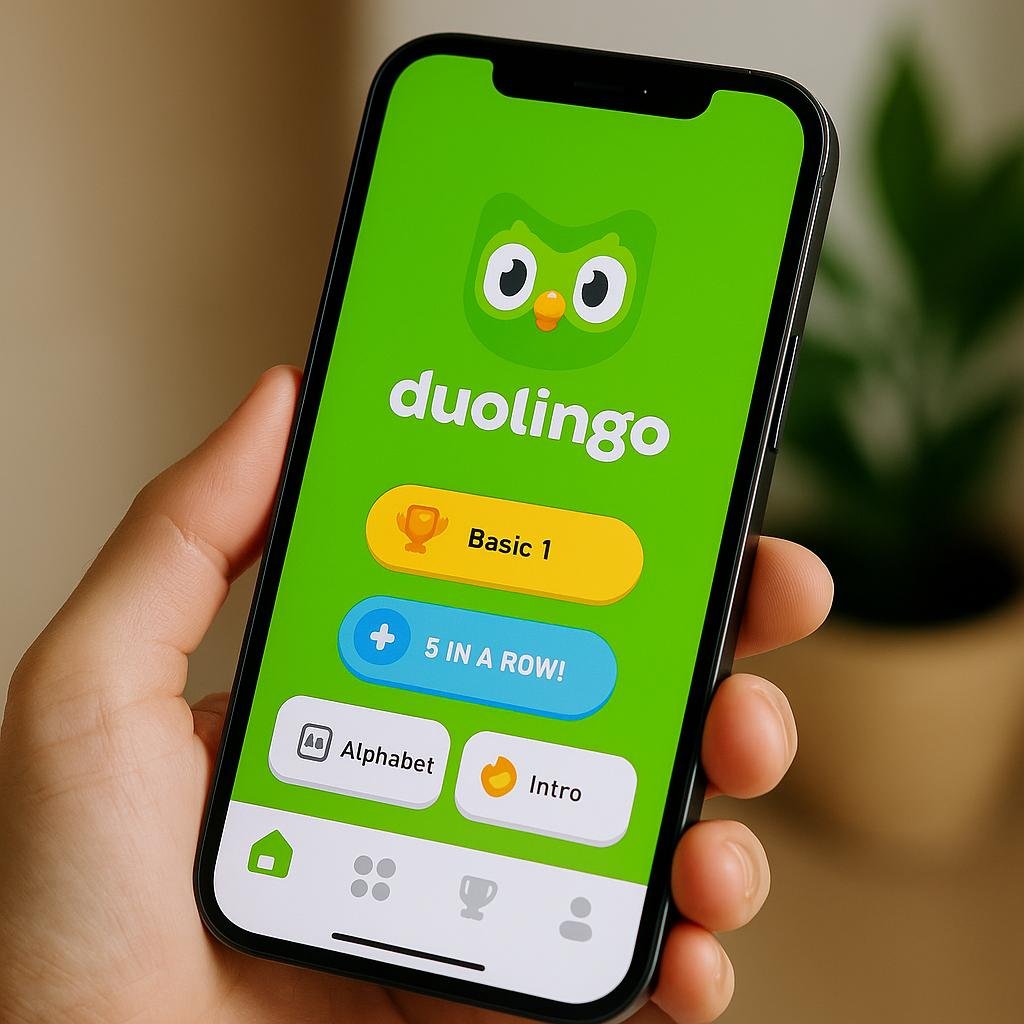
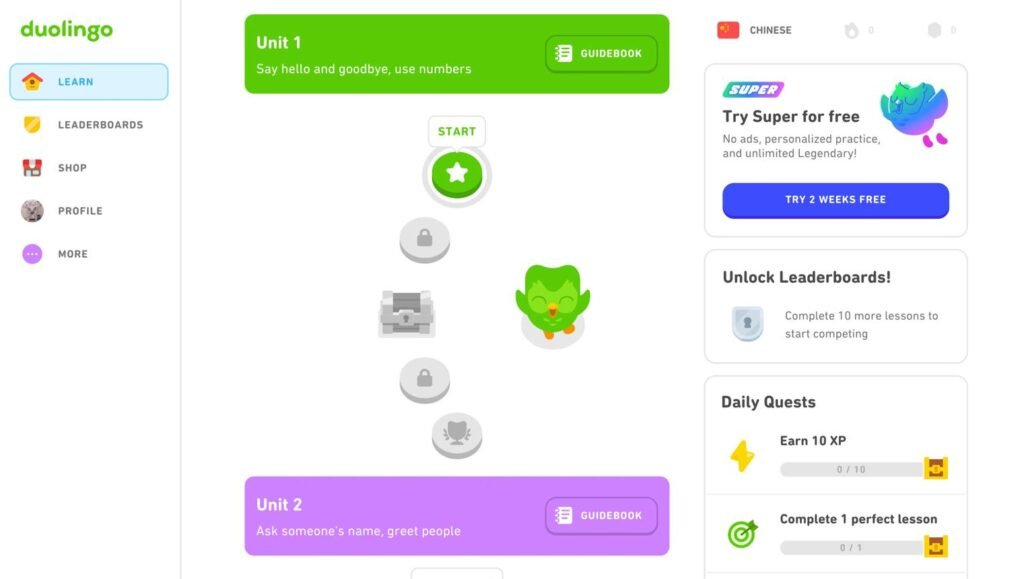
One of the most recognizable characteristics of Duolingo is its game-like design. Progress indicators, challenges, rewards, and daily goals encourage learners to return to their lessons.
How Language Learning Platforms Work
Digital language-learning platforms generally use structured lessons to introduce new words and concepts gradually.
A beginner might first learn common greetings, numbers, simple expressions, and everyday vocabulary. As the learner progresses, lessons can introduce more complicated sentence structures and vocabulary.
Repetition is an important part of language learning. Seeing and using a word several times can help reinforce familiarity with it.
Interactive exercises can also make practice more engaging than simply reading a vocabulary list.
However, learning a language involves more than memorizing words. Real progress also requires listening, speaking, reading, writing, and understanding how people actually use language in context.
Key Features of Duolingo
The platform includes several features designed to make regular language practice easier and more engaging.
Short Interactive Lessons
Short lessons are useful for people who find it difficult to dedicate an hour or more to studying every day.
A learner can complete a small amount of practice and gradually build a routine.
The short-session approach can also reduce the psychological barrier associated with starting a lesson. When a task feels manageable, people may be more likely to begin it.
Gamification
Gamification is one of the platform’s most recognizable elements.
Instead of presenting language learning as a traditional classroom activity, lessons include game-like progress systems and challenges.
This can make practice feel more entertaining and encourage learners to continue.
Daily Practice
Consistency is an important part of language acquisition. Practicing regularly can be more useful than studying intensively once and then stopping for several weeks.
Daily goals can provide learners with a simple reminder to continue practicing.
Vocabulary Building
Vocabulary forms the foundation of communication. Learners need words to describe people, places, activities, objects, emotions, and ideas.
Interactive exercises can introduce vocabulary through repetition and context.
Listening and Reading Practice
Language learning requires exposure to how words sound and how sentences are structured.
Listening activities can help learners become more familiar with pronunciation and natural speech patterns, while reading exercises can reinforce vocabulary and sentence structure.
Why Gamification Makes Learning Interesting
Traditional studying can sometimes feel repetitive. Gamification attempts to solve this problem by introducing elements commonly associated with games.
Progress levels, rewards, challenges, and daily goals can create a sense of achievement.
For some learners, this makes it easier to maintain motivation.
The important point, however, is that rewards should support learning rather than become the only reason for studying. Completing lessons quickly does not necessarily mean that the learner has fully understood the material.
A healthy approach is to use gamified features as motivation while paying attention to actual language improvement.

Duolingo for Beginners
Beginners often face the biggest challenge when starting a new language because everything seems unfamiliar.
A digital platform can provide a structured starting point. Instead of randomly choosing vocabulary to memorize, beginners can follow a sequence of lessons and gradually build basic knowledge.
For someone starting from zero, useful early goals include:
- Learning basic greetings
- Understanding common expressions
- Building everyday vocabulary
- Recognizing simple sentences
- Practicing pronunciation
- Learning basic grammar patterns
- Developing a consistent study routine
The key is patience. A beginner should not expect to become fluent after completing a small number of lessons.
Language learning is a gradual process that requires continued exposure and practice.
Learning Vocabulary More Effectively
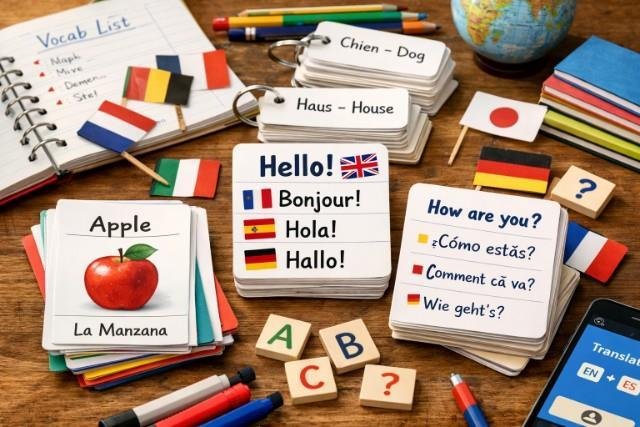
Memorizing individual words can be useful, but learning vocabulary in context is often more meaningful.
For example, instead of memorizing a word without understanding how it is used, learners can practice it within a sentence.
Context helps connect vocabulary with real situations.
Another useful strategy is reviewing older vocabulary while learning new material. This prevents previously learned words from disappearing from memory.
Writing new words in a notebook can also help. Learners can record:
- The new word
- Its meaning
- An example sentence
- Similar words
- Opposite words
- A pronunciation note
Combining digital practice with personal notes can create a stronger learning routine.
Improving Listening Skills
Listening is one of the areas that can become difficult when learners move beyond beginner material.
Written language may look simple, but spoken language can sound very different. Native speakers may talk quickly, connect words, or use expressions that beginners have not encountered.
Regular listening practice can gradually improve familiarity with pronunciation and rhythm.
Learners should not become discouraged if they cannot understand everything immediately.
A useful approach is to listen to short material several times. The first attempt can focus on the general meaning, while later attempts can focus on individual words and phrases.
Developing Speaking Confidence
Knowing vocabulary does not automatically make someone comfortable speaking.
Many learners understand a language reasonably well but hesitate when they need to produce their own sentences.
Speaking requires active recall, pronunciation, sentence formation, and confidence.
For this reason, learners should practice producing language rather than only answering multiple-choice questions.
Try saying simple sentences aloud. Describe your daily routine, introduce yourself, talk about your hobbies, or explain what you are doing.
Even short speaking exercises can help make the language feel more natural.
Using Duolingo for Travel
Language learning can be especially useful before traveling.
A traveler does not necessarily need advanced fluency to benefit from learning basic phrases.
Useful travel vocabulary may include:
- Greetings
- Directions
- Transportation
- Food and drinks
- Numbers
- Hotels
- Shopping
- Emergency expressions
Learning these basics can make communication easier and can also make travel more enjoyable.
Even attempting to speak the local language can demonstrate respect for the culture and create positive interactions.
Duolingo for Students
Students can use digital language-learning tools as an additional resource alongside school or university courses.
A classroom may provide detailed grammar explanations and structured instruction, while short digital lessons can provide additional repetition.
Students can use small study sessions to review vocabulary before an exam or practice a language outside classroom hours.
However, students should avoid relying on one resource for everything.
Combining classroom instruction, reading, listening, writing, and conversation can create a more balanced learning experience.
Benefits of Learning a Language Online
Online language learning offers several practical advantages.
Flexible Scheduling
Learners can often study at a time that fits their routine instead of following a fixed classroom schedule.
Convenient Access
A smartphone or computer can provide access to lessons from many locations.
Self-Paced Learning
Learners can progress according to their own needs and revisit material when necessary.
Frequent Practice
Short sessions make it easier to practice regularly.
Lower Barrier to Starting
Digital lessons can make the first step feel easier for someone who feels nervous about joining a traditional class.
Building a Consistent Learning Routine
Consistency is arguably one of the most important factors in language learning.
A simple routine might look like this:
Morning: Complete a short lesson.
Afternoon: Review five to ten vocabulary items.
Evening: Listen to a short piece of content in the target language.
Weekend: Spend additional time reading or practicing conversation.
The exact schedule does not matter as much as creating a routine that can realistically be maintained.
It is better to study for a short period consistently than to create an unrealistic schedule and abandon it after a few days.
Common Mistakes Language Learners Make
Language learners often make similar mistakes.
Expecting Fast Fluency
Learning a language takes time. Progress can feel slow, especially in the beginning.
Focusing Only on Vocabulary
Knowing many words does not guarantee that someone can communicate effectively.
Avoiding Speaking
Speaking practice is essential for building confidence.
Ignoring Listening
Learners need exposure to real pronunciation and natural speech.
Studying Without a Goal
A clear goal can make practice more meaningful.
Instead of saying, “I want to learn Spanish,” a learner could set a specific goal such as understanding basic conversations during an upcoming trip.
How to Get More Value From Duolingo
To get the most from the platform, learners should combine digital lessons with other activities.
After completing a lesson, try using the new vocabulary in your own sentences.
Watch videos or listen to podcasts in the target language. Read simple articles or stories. Practice speaking with another person when possible.
Writing is also useful. Keep a short diary and write a few sentences each day.
The platform can provide structured practice, but real-world exposure helps transform passive knowledge into practical communication skills.
Is Duolingo Enough to Become Fluent?
No single language-learning tool should automatically be considered a complete replacement for every aspect of language education.
Fluency involves multiple abilities, including understanding spoken language, communicating naturally, reading, writing, vocabulary, grammar, and cultural awareness.
A learning platform can provide valuable structured practice, especially for beginners and intermediate learners, but users who want advanced proficiency should expand their learning methods.
Conversation practice, books, videos, podcasts, professional instruction, and real-world communication can all contribute to stronger language skills.
The best approach is to treat an app as one part of a broader learning system.
The Role of Motivation
Motivation can change over time.
At the beginning, learning a language may feel exciting. After several weeks, however, progress may feel less noticeable.
This is normal.
Instead of depending entirely on motivation, create habits that make practice easier.
Set realistic goals. Keep sessions manageable. Celebrate progress. Use the language in activities you genuinely enjoy.
If you enjoy cooking, learn recipes in the target language. If you like music, explore songs. If you enjoy travel, learn phrases connected to destinations you want to visit.
Connecting language learning with personal interests can make practice feel less like a task.
The Future of Digital Language Learning
Technology is changing the way people approach education. Language-learning platforms are becoming increasingly interactive, personalized, and accessible.
AI-powered features may allow learning systems to provide more personalized practice, identify common mistakes, and adapt exercises according to individual progress.
However, technology cannot replace the human aspects of language.
Languages exist within cultures and communities. Real communication involves humor, emotion, body language, social context, and cultural understanding.
The future of language learning will likely combine technology with human interaction rather than relying exclusively on one approach.
Final Thoughts
Duolingo has made language practice more approachable by combining structured lessons with interactive and game-inspired learning. Its convenient format can be especially useful for beginners, busy professionals, students, and travelers who want to practice regularly.
However, successful language learning requires more than completing lessons. Learners should combine vocabulary practice with listening, speaking, reading, writing, and real-world exposure.
The most important factor is consistency. A small amount of meaningful practice performed regularly can build a stronger foundation than occasional intensive study.
Whether your goal is travel, education, career development, or personal interest, learning a new language can be a rewarding long-term journey. With the right routine and realistic expectations, digital tools can make that journey easier to begin and easier to maintain.