
Amazon
Online shopping has become an important part of modern life. People can now discover products, compare prices, read customer reviews, and place orders without visiting a physical store. Among the platforms that have played a major role in this transformation, Amazon stands out as one of the most recognized names in global e-commerce.
From electronics and fashion to books, home products, beauty items, groceries, and everyday essentials, the platform offers a wide range of products. It also provides opportunities for businesses and independent sellers to reach customers through an established online marketplace.
This complete guide explains how the platform works, its major features, benefits, shopping tips, seller opportunities, and its role in the future of online commerce.
What Is Amazon?
Amazon is a global technology and e-commerce company known for its online marketplace and wide range of digital services. Its marketplace allows customers to search for products, compare different options, check reviews, and purchase items online.
The platform includes products sold directly by the company as well as products offered by independent third-party sellers. This combination gives shoppers access to a large selection of brands, prices, styles, and product specifications.
Although online retail is one of its best-known services, the company also operates in areas such as cloud computing, digital entertainment, artificial intelligence, and smart technology.
How Amazon Works
The online shopping process is designed to be simple. Customers can search for a specific product or browse different categories. Search filters can then help narrow the results according to price, brand, rating, features, availability, and delivery options.
After finding a product, shoppers can review its images, description, specifications, customer ratings, and seller information. They can then add the product to their shopping cart and continue to checkout.
After an order is placed, customers can usually monitor its progress through order tracking. Delivery times and available services can vary depending on the product, seller, and customer’s location.

Popular Product Categories
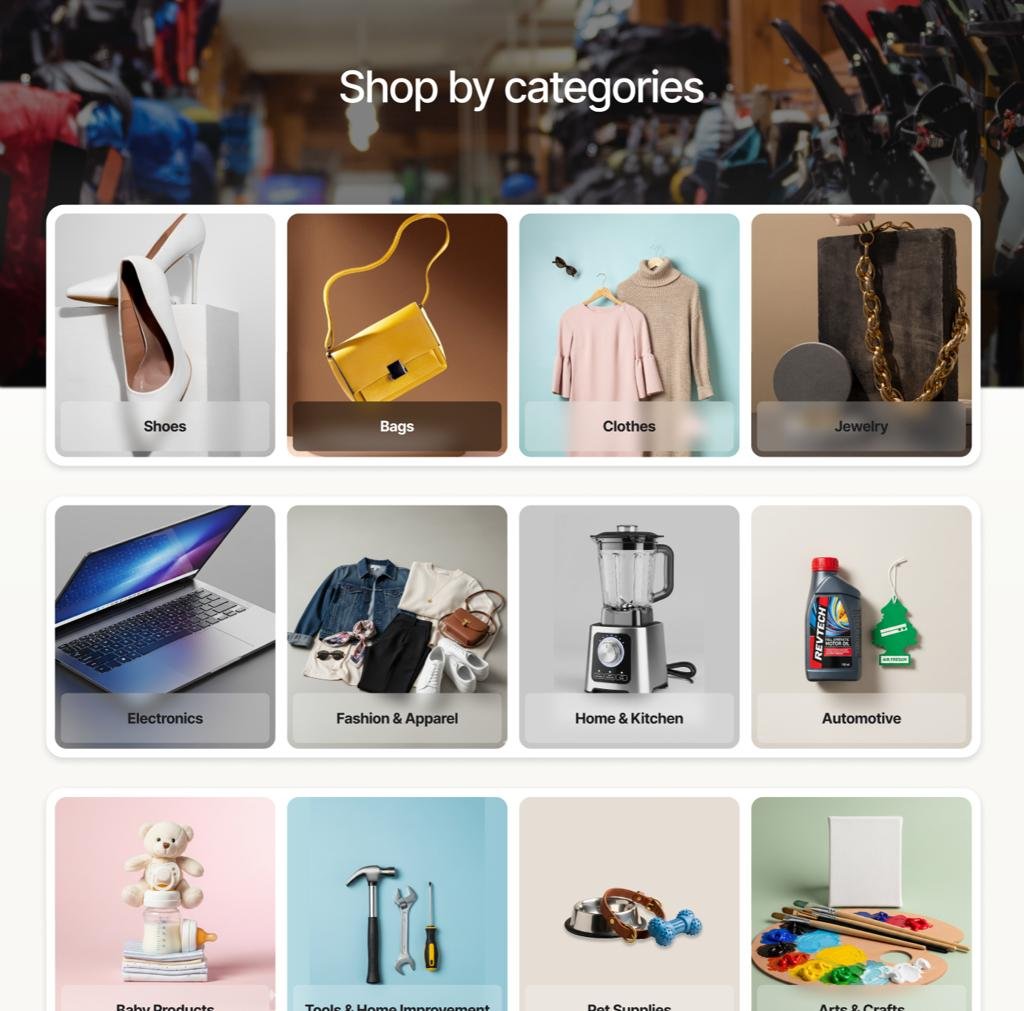
One of the biggest advantages of the marketplace is its broad product selection. Shoppers can find products for personal use, work, education, entertainment, and household needs.
Electronics
Electronics are among the most popular online shopping categories. Customers can find smartphones, laptops, tablets, headphones, cameras, televisions, gaming accessories, computer components, and other technology products.
When buying electronics, shoppers should pay attention to technical specifications. Processor type, storage capacity, battery life, display quality, connectivity, compatibility, and warranty information can all influence a purchasing decision.
Fashion and Clothing
The fashion category includes clothing, footwear, handbags, watches, jewelry, accessories, and other lifestyle products.
Online fashion shopping makes it possible to compare styles, sizes, materials, colors, and prices from different sellers. Customer reviews can also provide useful information about fit and quality.
Home and Kitchen
Home and kitchen products include furniture, cookware, storage products, appliances, lighting, cleaning supplies, and decorative items.
For larger products, customers should carefully check measurements before ordering. Product dimensions shown online may be different from what shoppers expect when viewing a photograph.
Books and Educational Products
Books remain an important part of online shopping. Customers can find novels, educational books, textbooks, children’s books, reference materials, and digital reading options.
Students and professionals can use online bookstores to research titles, compare editions, and read reviews before making a purchase.
Beauty and Personal Care
Beauty and personal-care products include skincare, makeup, hair-care items, fragrances, grooming tools, and other essentials.
Customers should carefully read product information, ingredients, usage instructions, seller details, and return conditions before purchasing beauty products online.
Why Do People Use Amazon?
There are several reasons why online shoppers choose major marketplaces.
Wide Product Selection
A large catalog allows customers to find many products in one place. Instead of visiting multiple websites, shoppers can compare several options within a single marketplace.
Shopping Convenience
Customers can shop from a computer or smartphone without needing to travel to a physical store. This can save time and make it easier to shop according to an individual’s schedule.
Customer Reviews
Reviews are an important part of online shopping. They allow customers to learn from other buyers and understand how a product performs in real-world situations.
However, shoppers should avoid making decisions based on one review alone. Looking at several reviews can provide a more balanced picture.
Easy Product Comparison
Online listings make it easier to compare different products based on price, specifications, features, ratings, and availability.
This is especially useful when buying electronics or other products where small differences in specifications can affect performance.
Order Tracking
Order-tracking features can help customers follow their purchases after checkout. Depending on the delivery service, tracking may show shipping progress and estimated delivery information.
How to Shop Smartly on Amazon
Online shopping is convenient, but making a thoughtful decision can help customers avoid unnecessary purchases.
Compare Multiple Products
Do not automatically choose the first product that appears in search results. Compare several options and consider their price, features, ratings, specifications, and seller information.
Check Product Specifications
Product photographs do not always tell the complete story. Check dimensions, materials, compatibility, storage capacity, weight, size, color, and other important details.
This is particularly important for electronics, furniture, clothing, appliances, and accessories.
Read Customer Reviews
Customer feedback can provide valuable insights into product quality and usability. Look for common themes across multiple reviews rather than relying on a single comment.
Reviews that discuss long-term use can sometimes be particularly useful because they may reveal information that is not obvious from a product description.
Check the Seller
When buying from a third-party seller, examine the seller’s ratings, feedback, product information, and available policies.
A reliable seller can contribute significantly to a positive shopping experience.
Understand Return Policies
Before purchasing an item, check its return and refund conditions. Policies may vary depending on the product, seller, and location.
Understanding these conditions before ordering can prevent confusion later.

Amazon Prime and Membership Services
The company also offers Amazon Prime, a subscription service available in supported markets. Depending on the country, Prime membership can provide benefits related to delivery, entertainment, shopping offers, and other services.
The exact features and pricing can differ by region. Customers should therefore review the membership details available in their own market before subscribing.
For frequent shoppers, a membership program may be useful when the available benefits provide enough value to justify the subscription cost.
Amazon for Sellers
The marketplace is not only useful for consumers. It also provides businesses and independent sellers with opportunities to reach online customers.
Sellers can create product listings, manage inventory, set prices, process orders, and communicate with customers. They can potentially reach customers outside their local market without building a complete e-commerce platform from the ground up.
However, becoming a successful seller requires more than simply uploading products. Businesses need to understand customer demand, competition, pricing, inventory, shipping, advertising, customer service, and marketplace policies.
How to Create a Strong Product Listing
A well-designed product listing can help shoppers understand an item quickly.
Write a Clear Product Title
The title should identify the product and communicate its most important characteristics. Brand name, product type, model, size, or key feature can be included when relevant.
Avoid unnecessary words that make the title difficult to understand.
Create a Useful Description
A product description should explain what the product does and why it may be useful.
Instead of filling the description with generic marketing language, sellers should provide practical information that answers common customer questions.
Use Quality Product Images
Images are extremely important in e-commerce because customers cannot physically examine an item before purchasing it.
Clear images showing different angles, important details, dimensions, and product usage can make a listing more informative.
Provide Accurate Specifications
Incorrect product information can lead to returns, negative reviews, and customer dissatisfaction.
Sellers should carefully check measurements, materials, colors, compatibility, model numbers, and other specifications before publishing a listing.
Amazon and Small Businesses
Online marketplaces have created opportunities for small businesses to enter the digital economy.
A small business can use an established marketplace to introduce products to a larger audience. This can be especially useful for businesses that do not have the resources to develop a large independent online store.
However, competition can be strong. Small businesses need to focus on product quality, customer service, pricing, branding, and consistent fulfillment.
Building a recognizable identity can also help businesses encourage repeat customers.
The Importance of Customer Service
Customer service plays an important role in online commerce.
Customers may have questions about delivery, product features, returns, refunds, warranties, or damaged orders. Quick and professional communication can improve their overall experience.
For sellers, customer service is also closely connected to reputation. A good product may not generate repeat business if customers have difficulty getting help when they experience a problem.
Reliable communication, accurate information, and respectful support can help create stronger customer relationships.
Amazon and Modern Technology
Technology is at the heart of modern e-commerce.
Search systems help customers find relevant products, while recommendation technologies can suggest products based on browsing and purchasing behavior.
Automation can also support inventory management, order processing, fraud detection, logistics, and customer service.
Artificial intelligence and machine learning are increasingly being used across digital commerce. These technologies can analyze large amounts of information and help businesses understand customer behavior, improve search experiences, and personalize recommendations.
Shopping Safely Online
Online shoppers should take basic security precautions when making purchases.
Use strong passwords and protect account information. Customers should also carefully check payment details before confirming an order.
Be cautious about suspicious emails, messages, or websites that request sensitive information. If a message appears unusual, it is safer to verify the information through the official platform rather than following an unfamiliar link.
When purchasing expensive products, customers should also carefully review seller information and product details.
Advantages and Disadvantages
Like any large marketplace, Amazon has both advantages and limitations.
Advantages
- Large product selection
- Convenient online shopping
- Customer reviews and ratings
- Product comparison options
- Order tracking
- Opportunities for third-party sellers
- Multiple product categories
- Access to many brands
Disadvantages
- Large catalogs can make product selection difficult
- Product quality may vary between sellers
- Reviews require careful evaluation
- Return policies can differ
- Seller competition can be intense
- Some products may have location restrictions
Understanding these advantages and disadvantages can help shoppers use the platform more effectively.
Amazon vs. Traditional Shopping
Traditional shopping gives customers the opportunity to physically inspect products before purchasing them. They can touch materials, test certain products, speak with sales staff, and take purchases home immediately.
Online shopping offers different advantages. Customers can compare a much larger number of products, read reviews, research specifications, and shop from almost anywhere.
The best option depends on the type of product and the shopper’s individual needs. Some products are easier to evaluate online, while others may benefit from physical inspection.
How Amazon Has Changed E-Commerce
The growth of large online marketplaces has changed consumer expectations.
Customers now expect convenient search, detailed product information, transparent reviews, digital payments, order tracking, and reliable delivery.
Businesses have also had to adapt. Companies that previously depended on physical stores can now reach customers through digital channels.
This shift has encouraged businesses to focus more strongly on online branding, product photography, customer reviews, digital advertising, logistics, and customer experience.
Tips for Sellers to Compete Successfully
Competition can be challenging, especially when many sellers offer similar products.
Sellers should begin with accurate product research. Understanding customer demand can help businesses select products that have genuine market potential.
Competitive pricing is also important, but price should not be the only strategy. Product quality, presentation, customer service, reliable delivery, and brand identity can all influence purchasing decisions.
High-quality images and informative descriptions can make a product easier to understand. Sellers should also monitor customer feedback and use it to identify areas where their products or service can improve.
The Future of Online Shopping
The future of e-commerce will likely be influenced by artificial intelligence, automation, mobile commerce, digital payments, faster logistics, and personalization.
Customers may receive increasingly relevant recommendations based on their interests and shopping behavior. Businesses may use advanced analytics to better understand demand and manage inventory.
At the same time, customer expectations around privacy, product authenticity, sustainability, and transparency are likely to become increasingly important.
For online marketplaces, maintaining customer trust will remain just as important as technological innovation.
How to Get More Value From Amazon
A simple research routine can make online shopping more effective.
First, identify exactly what you need. Then compare several products instead of immediately selecting the first result. Check the specifications, customer feedback, seller information, delivery details, and return conditions.
For expensive purchases, spend additional time researching alternatives. A product that looks attractive may not necessarily offer the features or durability you actually need.
It is also useful to separate popularity from suitability. A highly rated product may be excellent overall but still unsuitable for a particular customer’s requirements.
Conclusion
Amazon has become a major force in modern e-commerce by connecting customers, businesses, brands, and independent sellers through a large digital marketplace. Its wide product selection, convenient shopping experience, customer reviews, product comparison tools, and delivery services have influenced the way people shop.
For customers, smart shopping means researching products, comparing options, checking specifications, reading reviews, and understanding return policies. For sellers, long-term success depends on accurate listings, reliable products, competitive pricing, customer service, and a strong understanding of their target audience.
As technology continues to develop, e-commerce will become even more personalized and efficient. Understanding how major online marketplaces work can help both shoppers and businesses make better decisions in an increasingly digital world.